


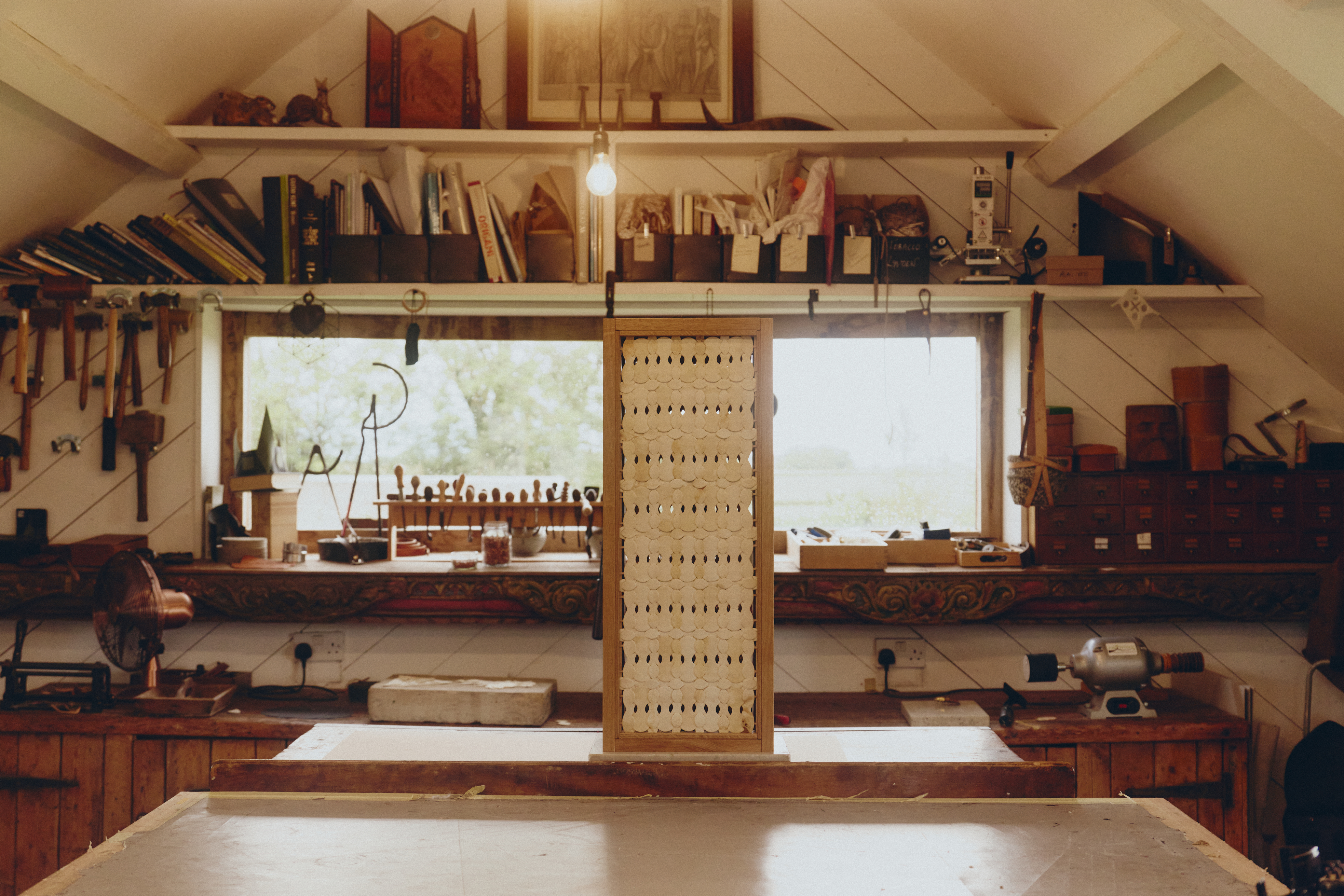
Old Craft, New Material
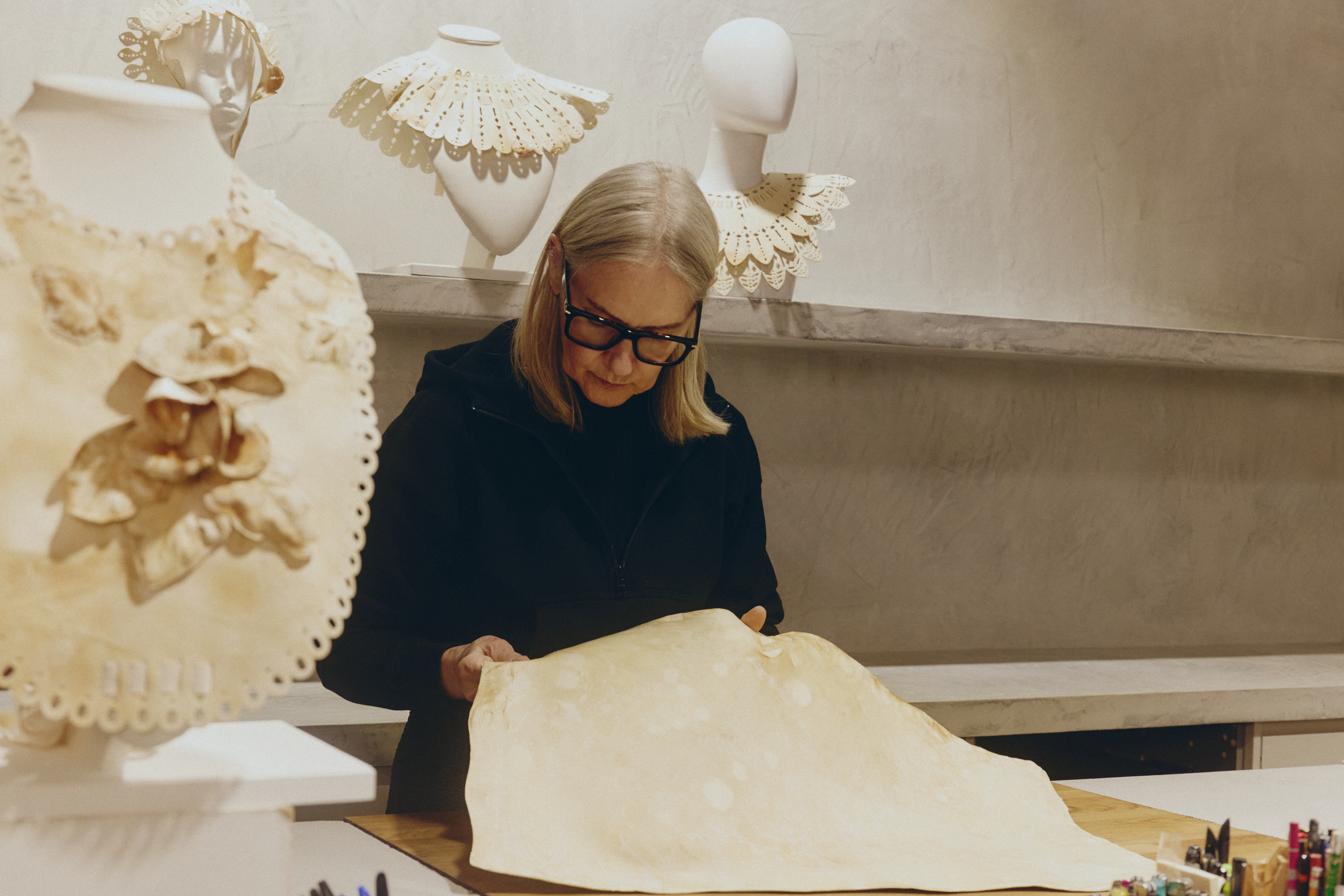
What if leather wasn't made from animal hide? Leather craft specialist Justin and luxury accessory designer Michelle Lowe-Holder share their experience working with mycelium, a new kind of material. Often called "plant leather," mycelium is actually not a leather at all, but a completely independent material with its own unique texture, scent, and clean cutting properties.
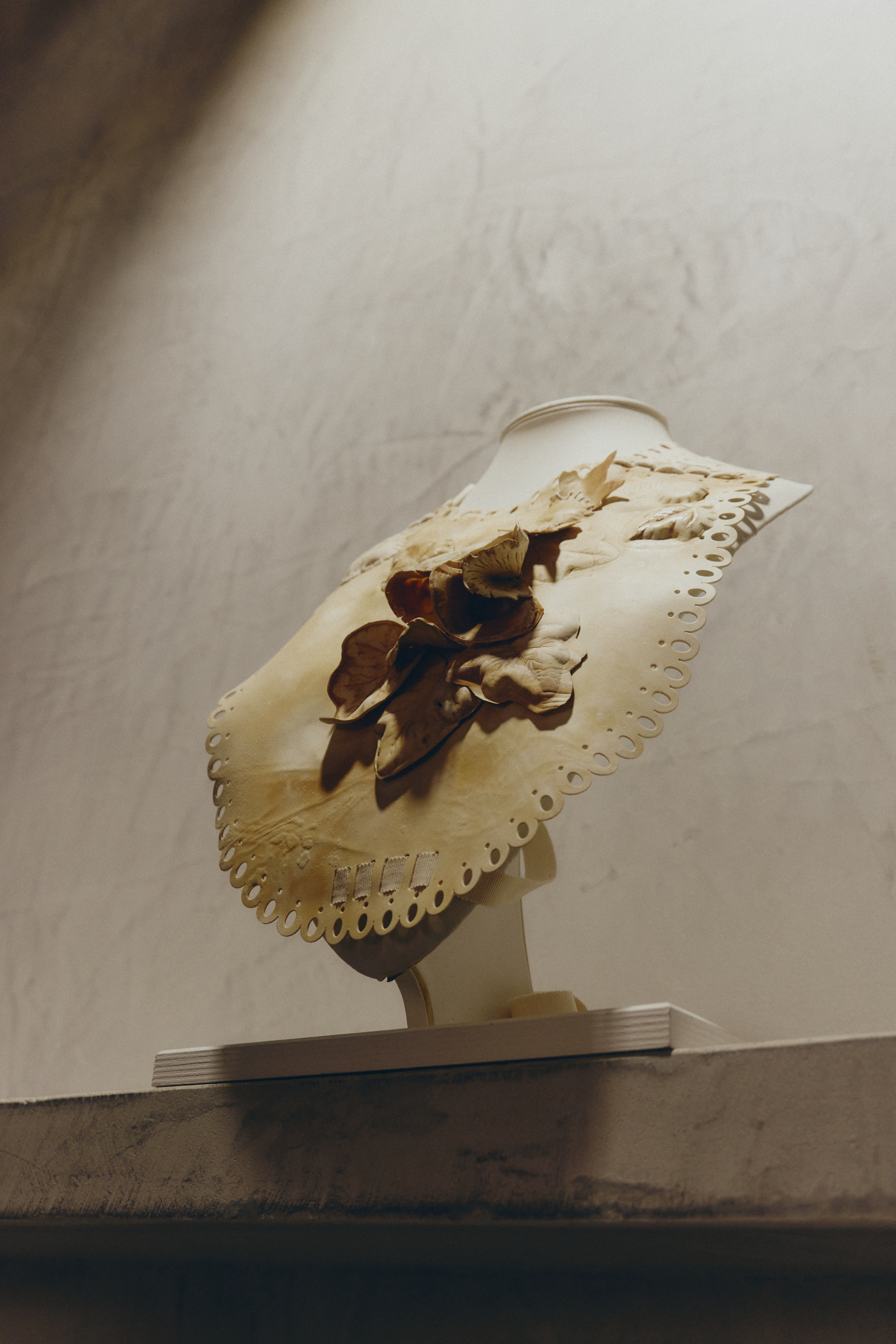
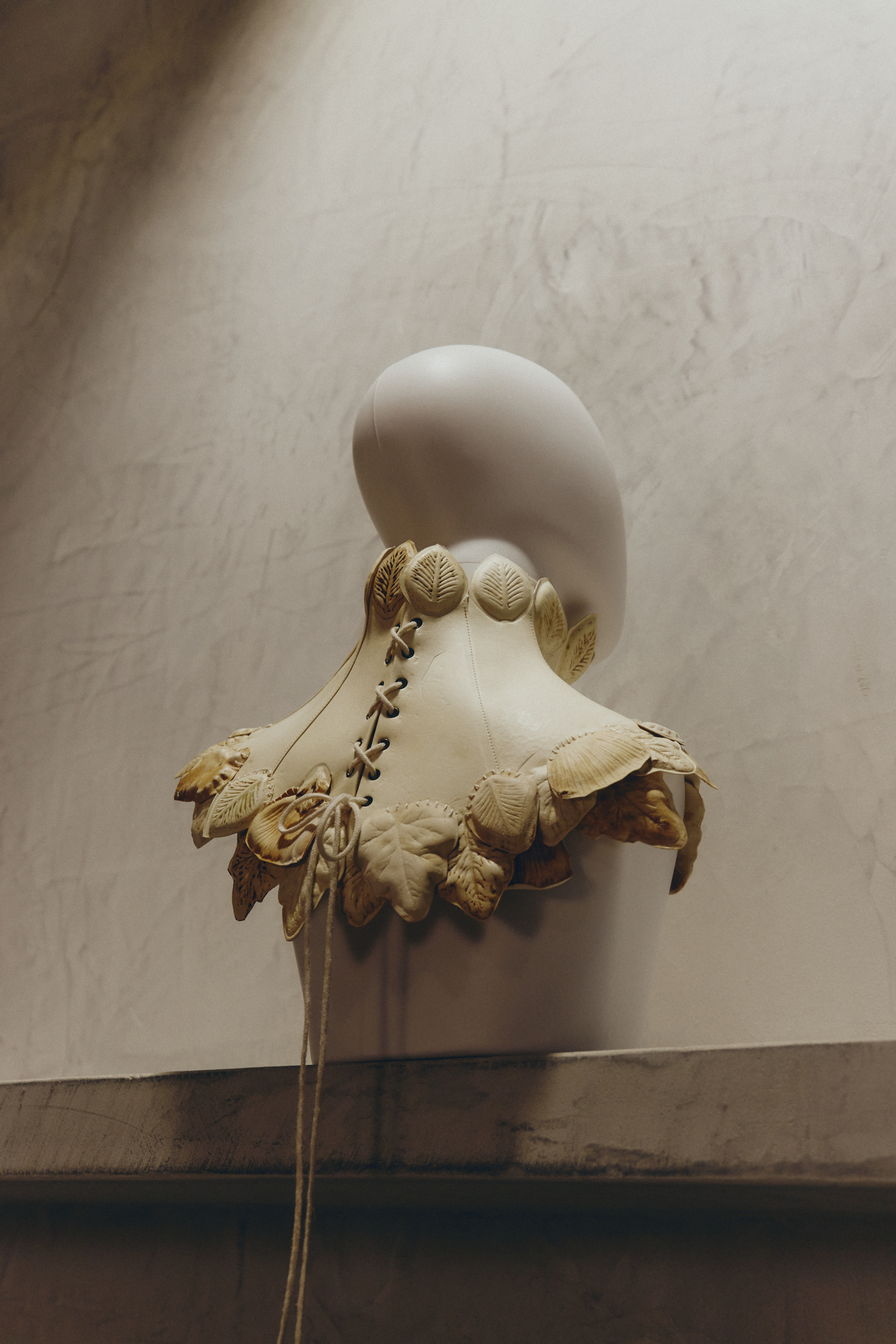
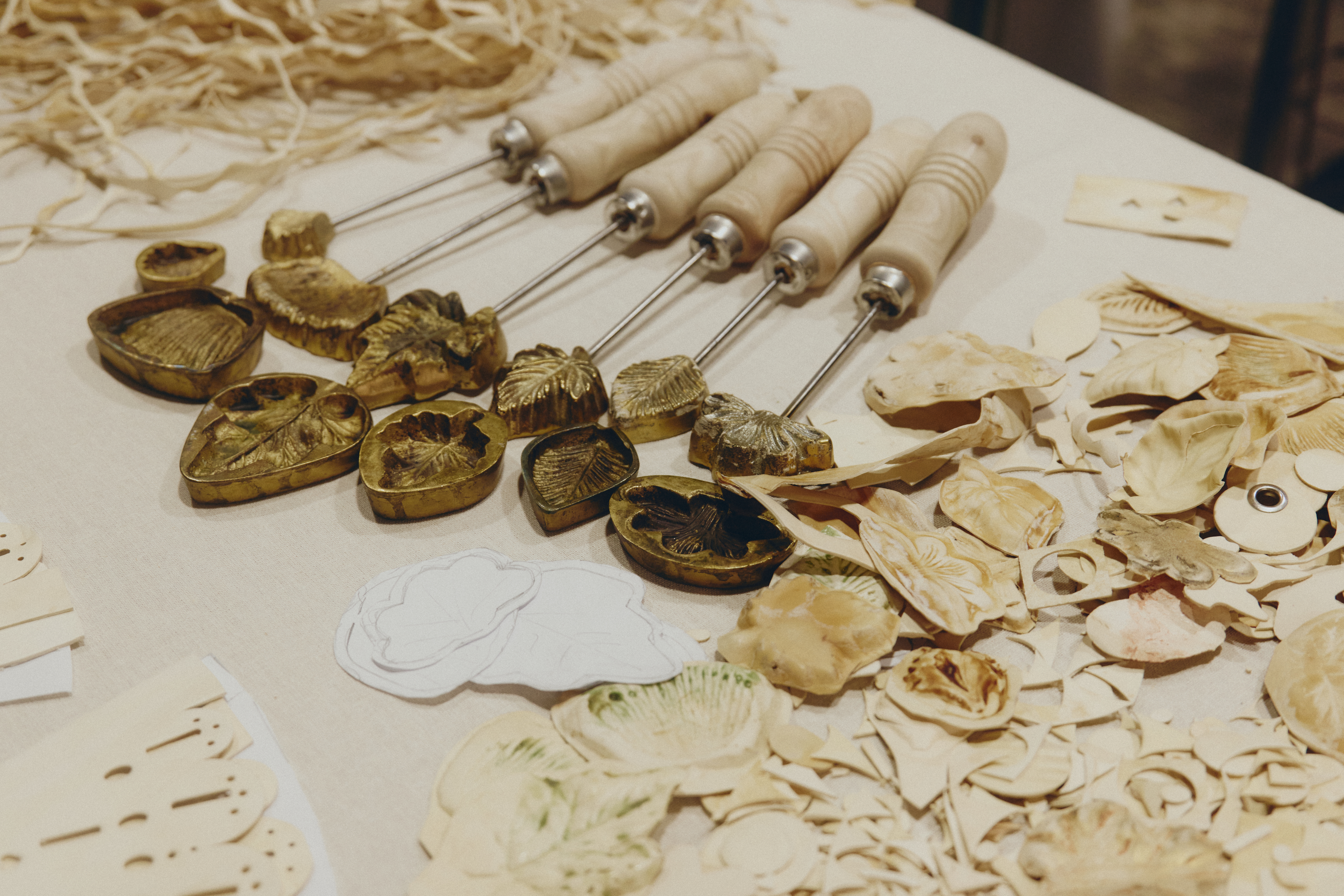
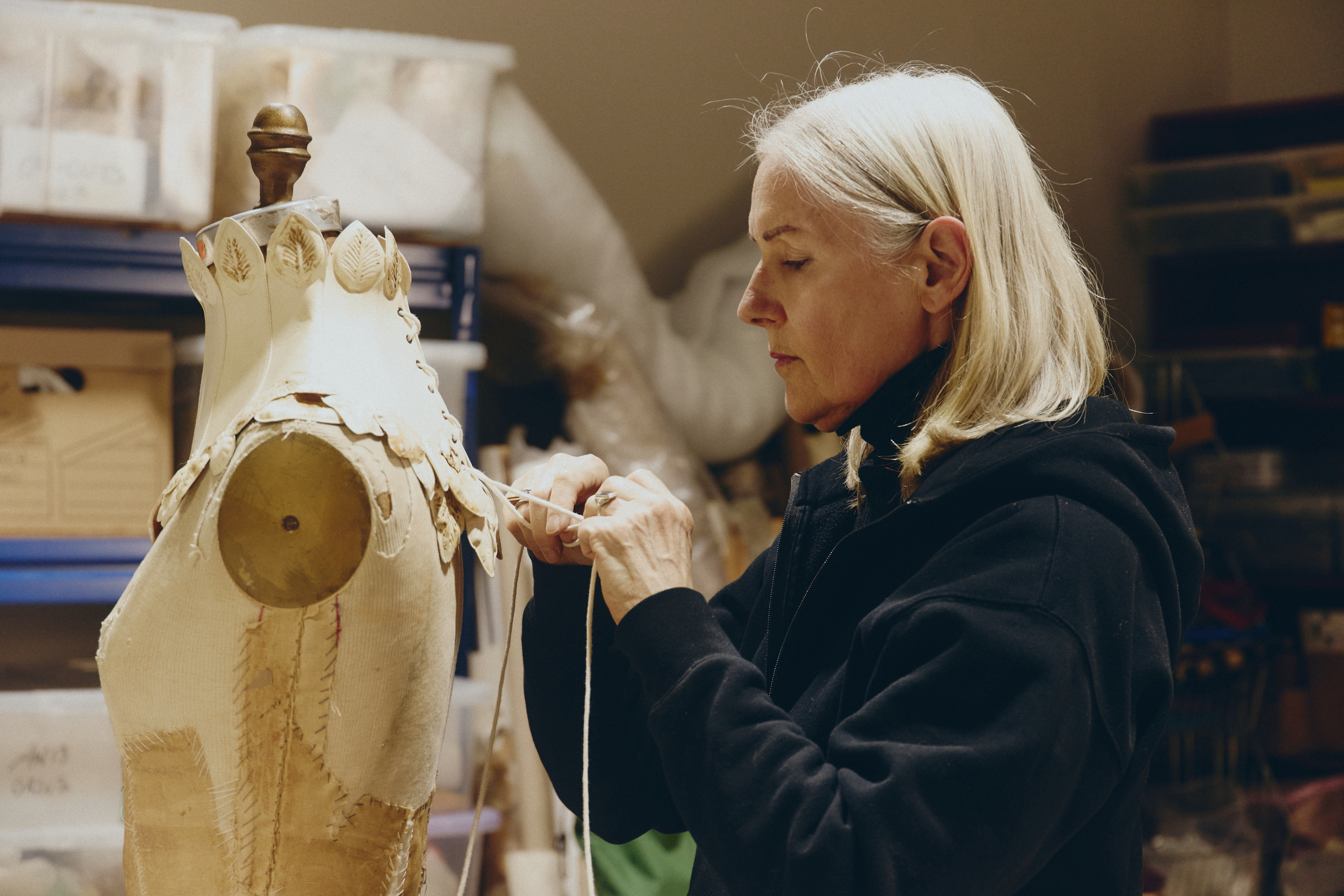
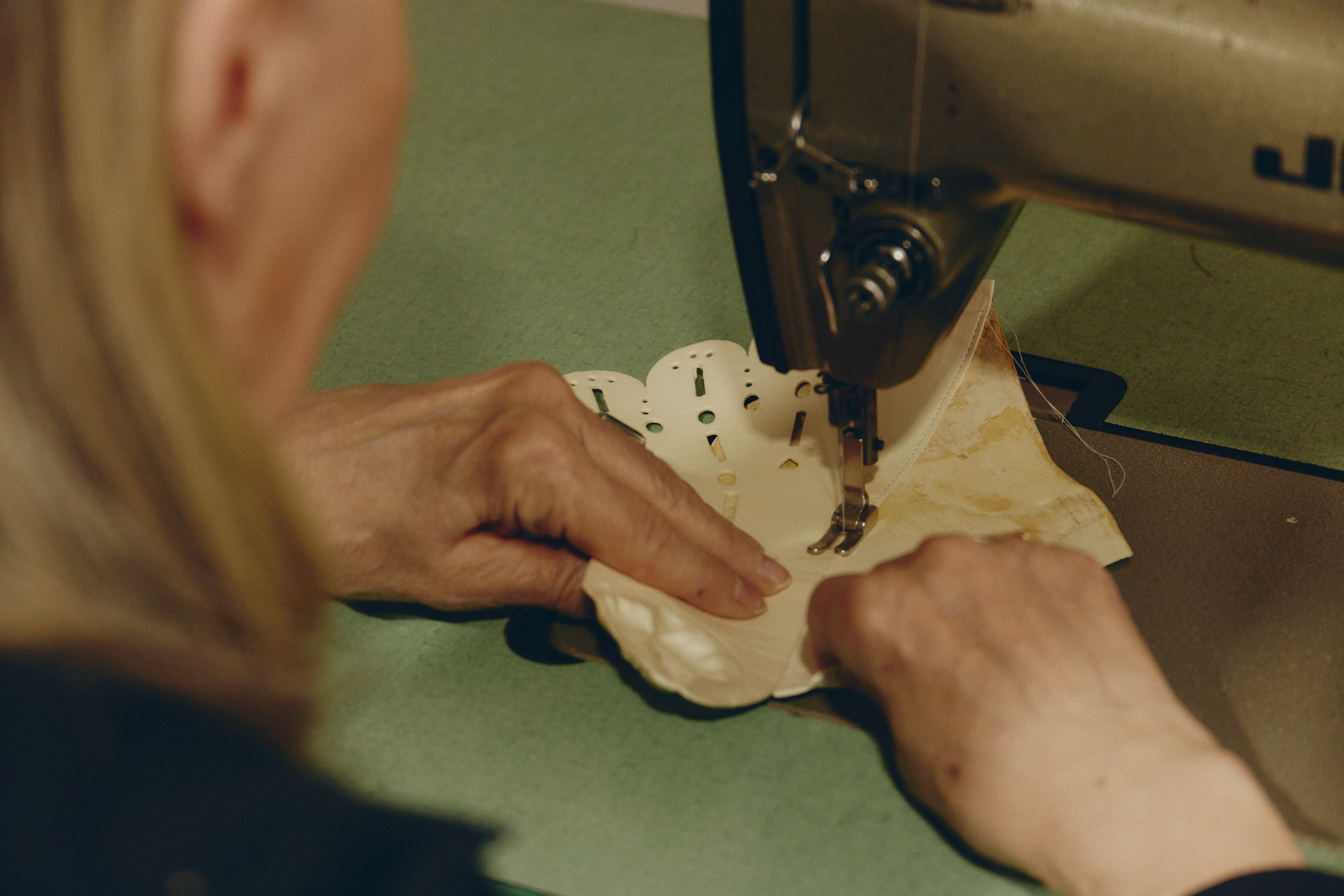
Crafted from MYCEL's proprietary mycelium-based biomaterial, CELMURE, this project captures what Justin and Michelle discovered while applying traditional leather craft techniques to this new material, examining how mycelium behaves under the hands of makers trained in animal hide leather.
Through cutting, weaving, and shaping CELMURE, the project reveals a material that resists easy categorization, neither leather nor plant, but something entirely its own. It's a story about a sustainable material that comes from nature and returns to it, and about the craftsmanship built on top of it.
"A material in itself"
Q. What was most surprising about working with this material?
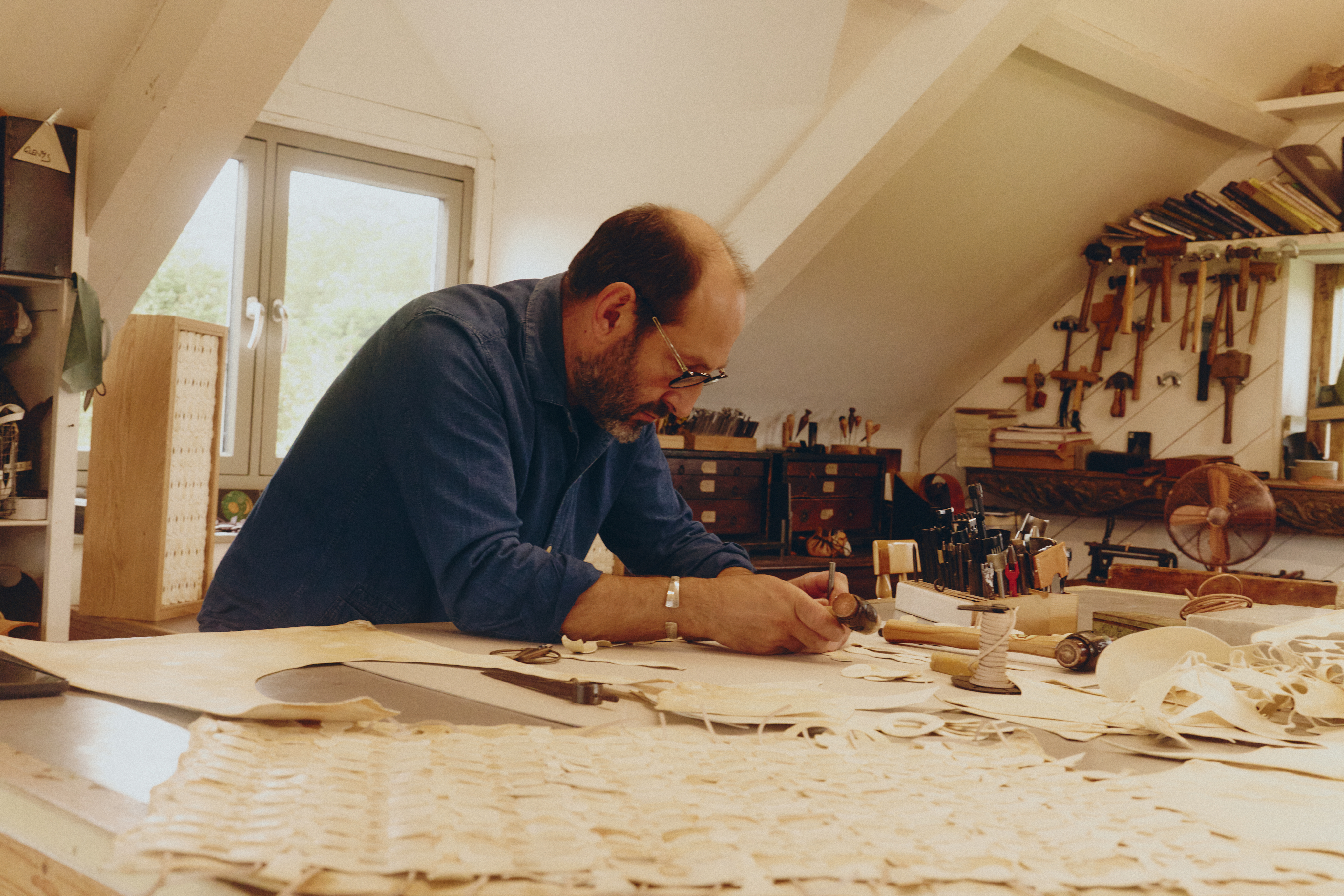
"Collaboration Between Organisms"
Q. How did the material shape the design process?
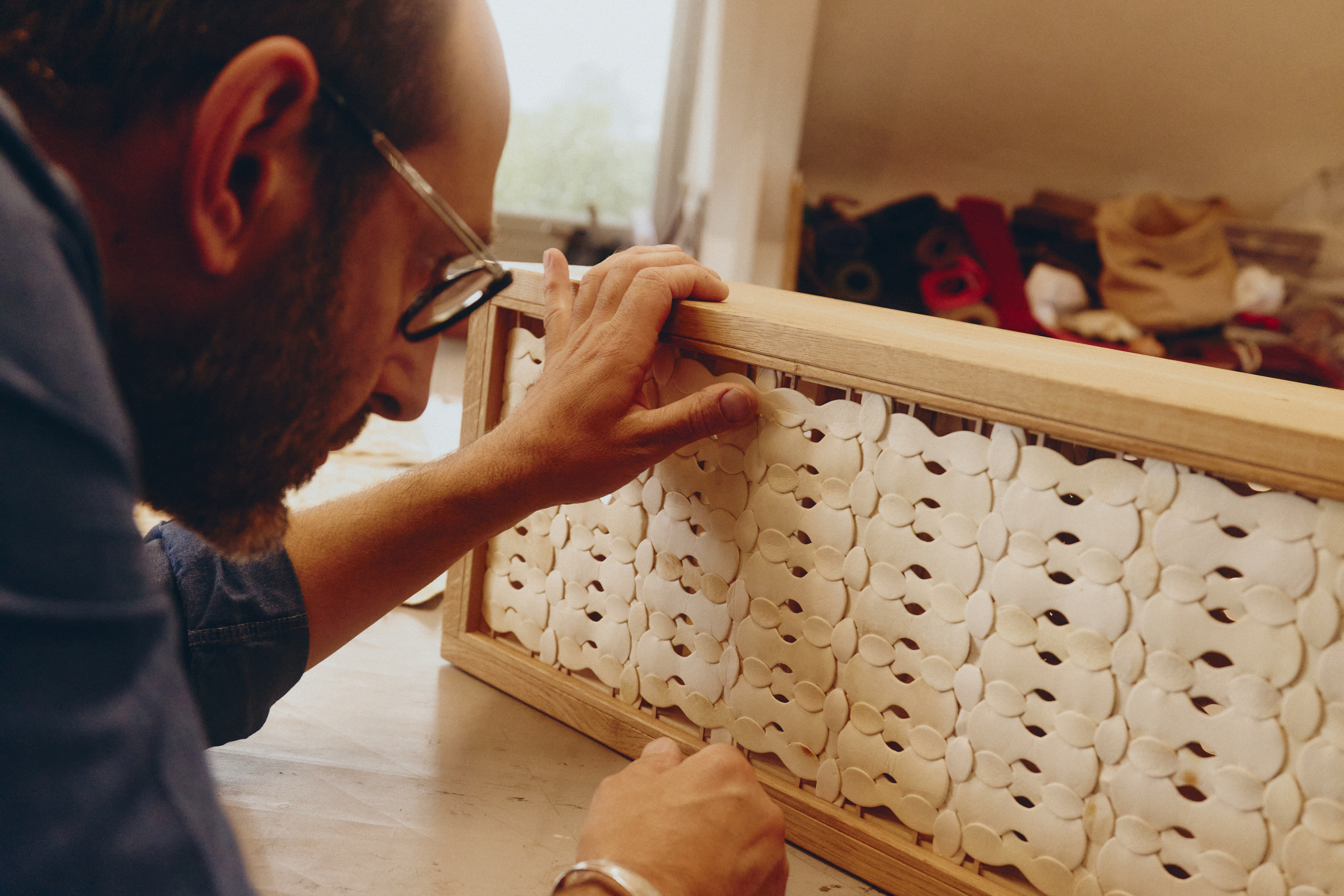
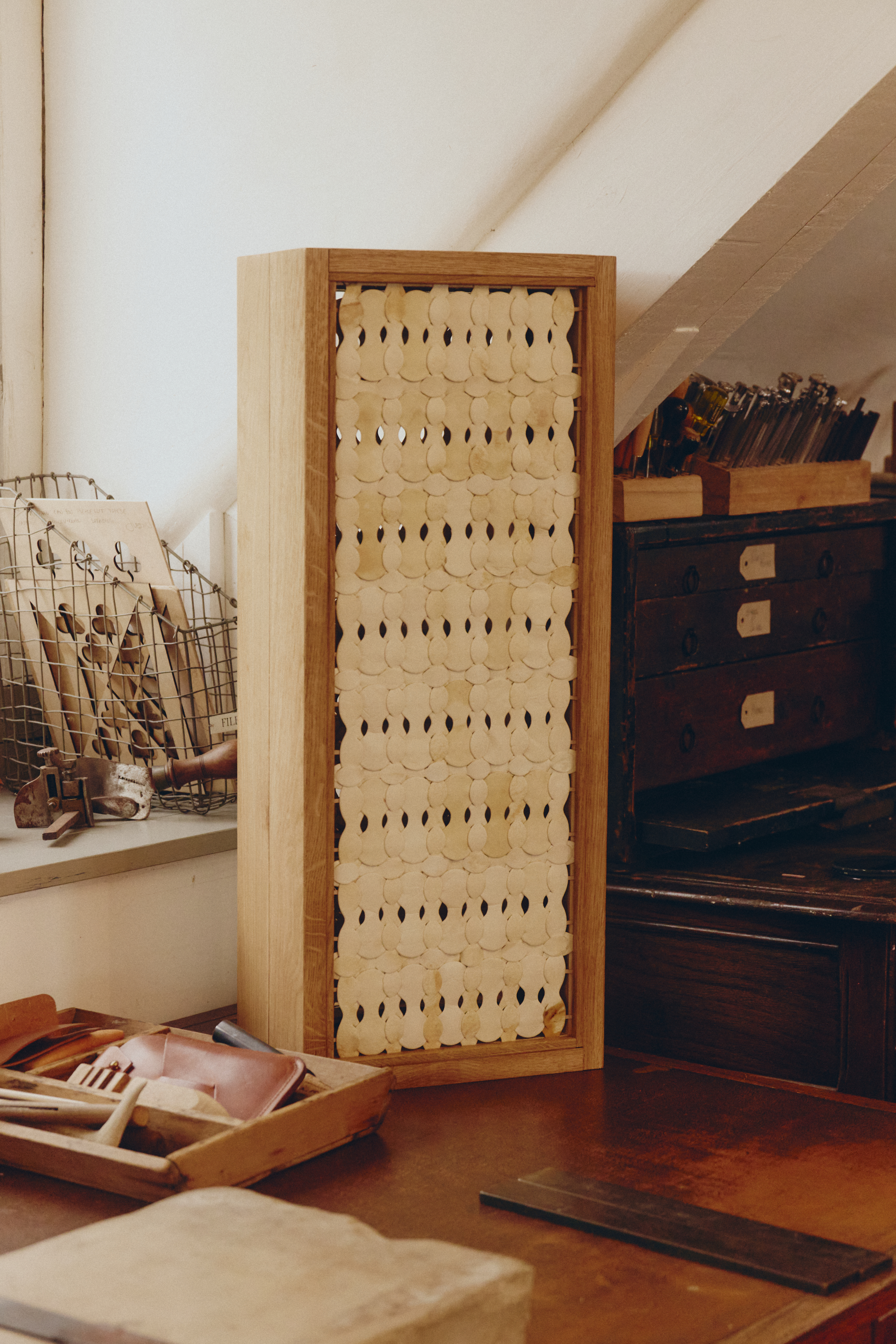
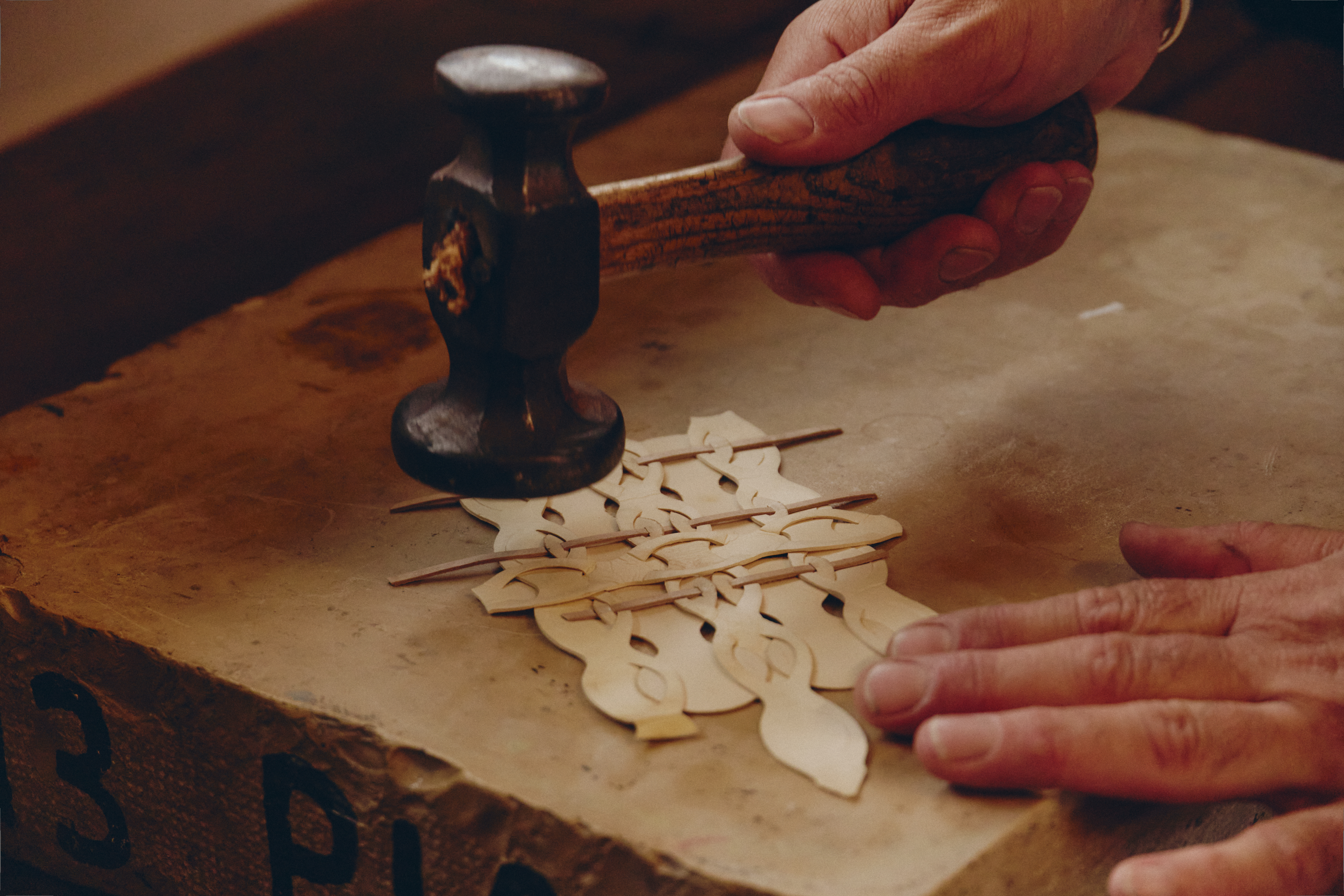
"Not Leather, But Its Own Material"
Q. Why is it important to distinguish mycelium from "plant leather"?
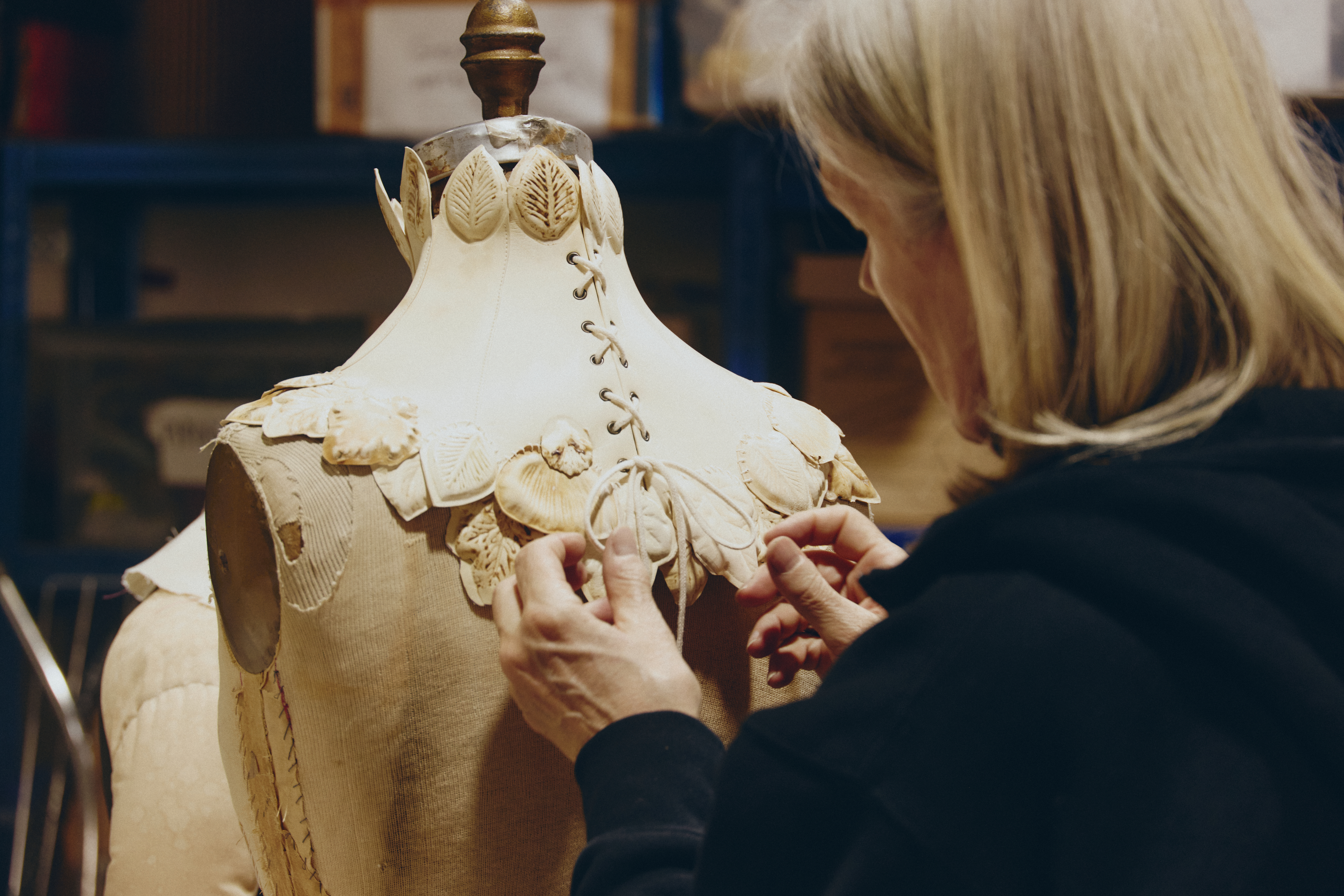
"Discovering Through Making"
Q. What did the making process reveal?
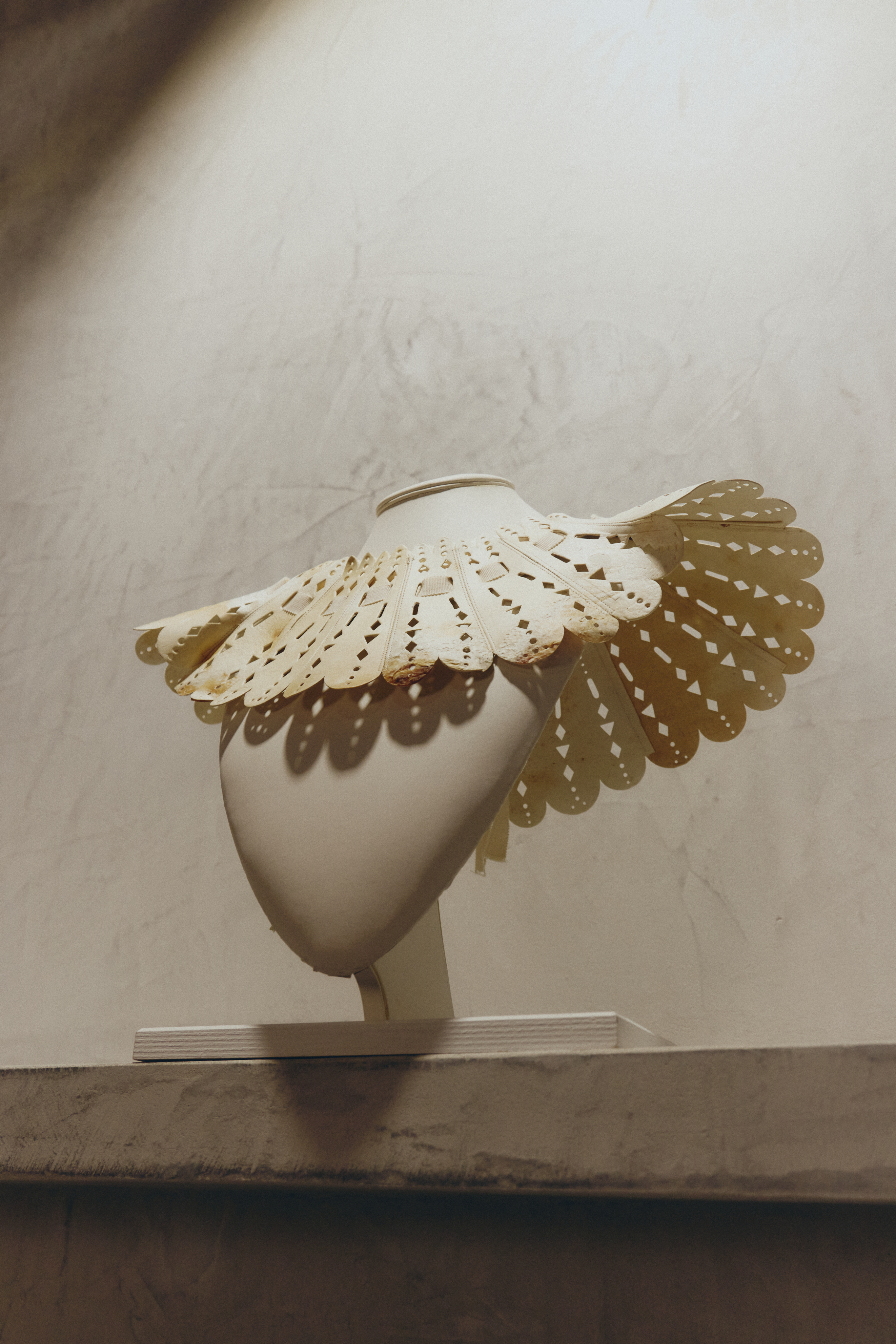
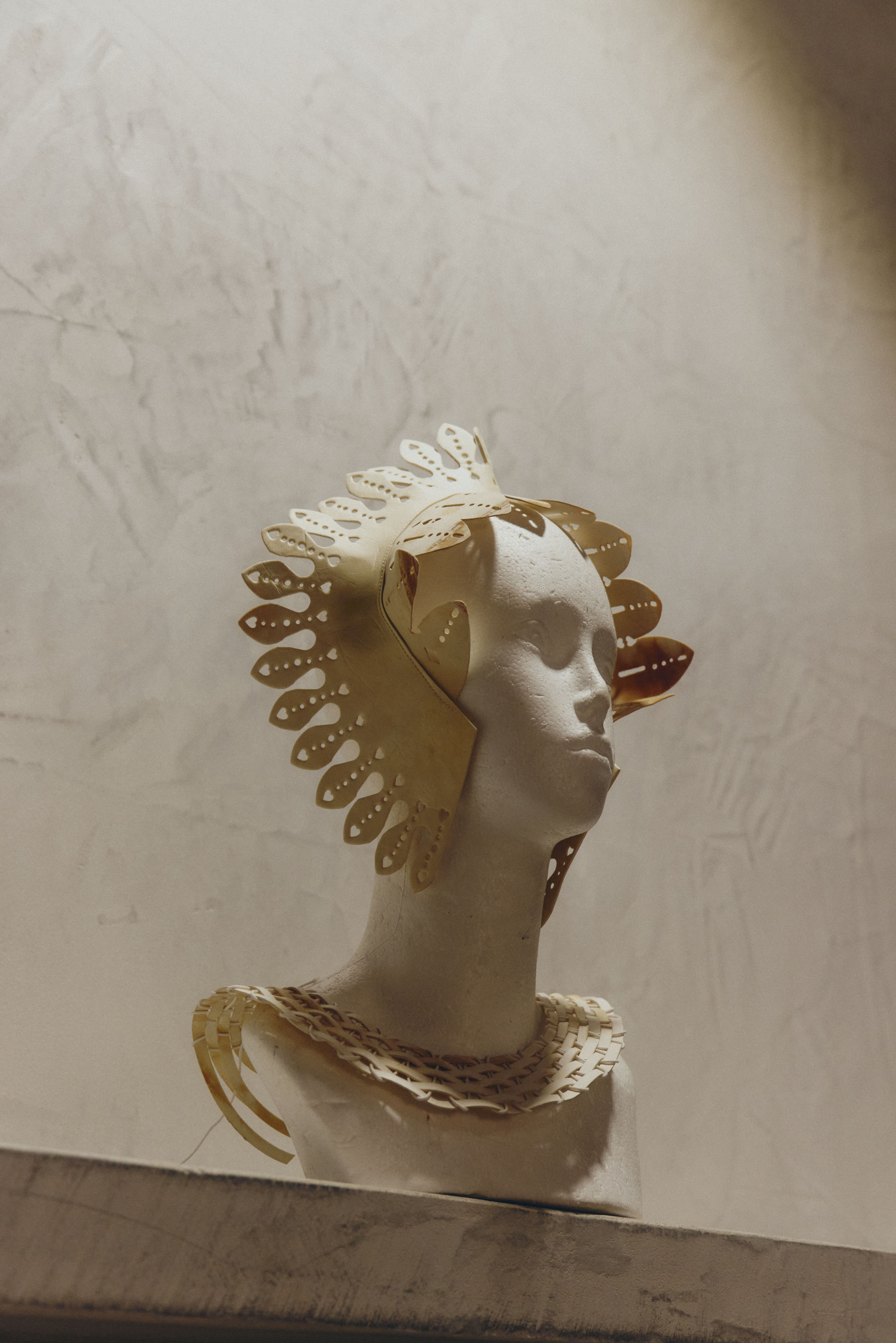
Craftsmanship Rooted in the Past, Designed for the Future
Q. What future does this project point toward?
Project Information
- Year
- 2026
- Material
- Mycelium-based biomaterial (CELMURE)
- Design
- Justin & Michelle Lowe-Holder
- Photography
- JACK LEE
- Courtesy of
- UK